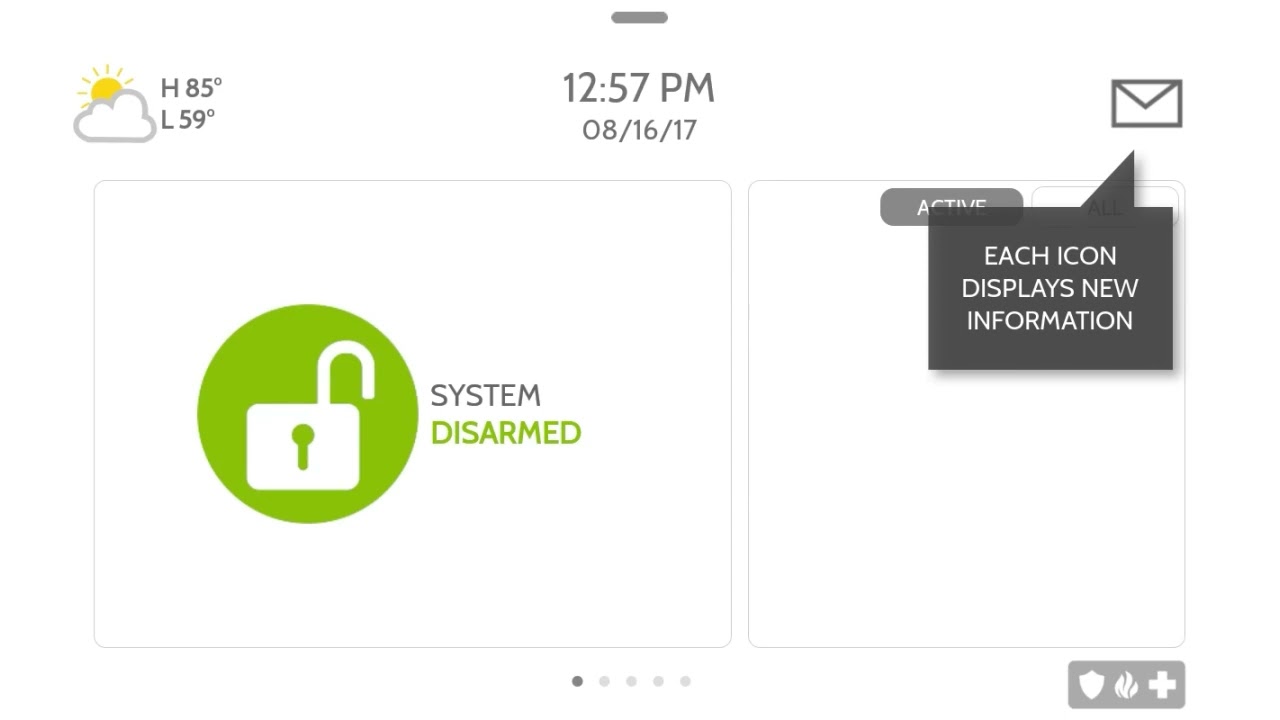
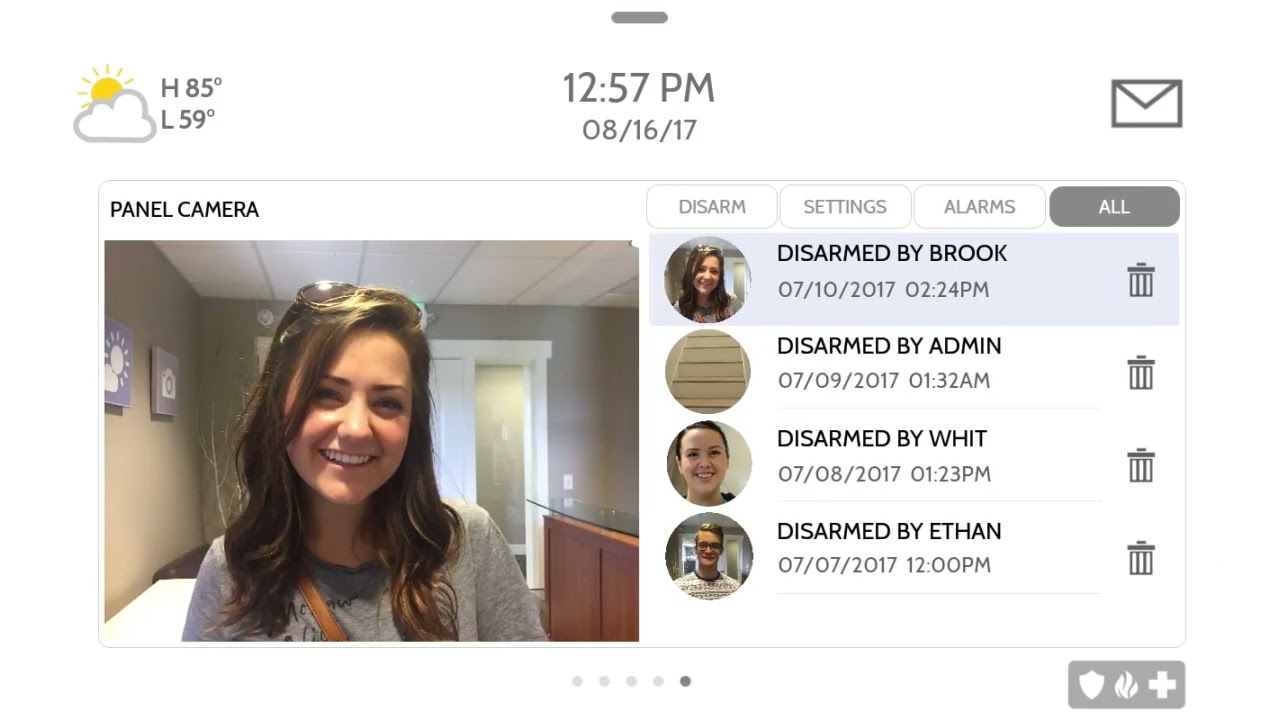
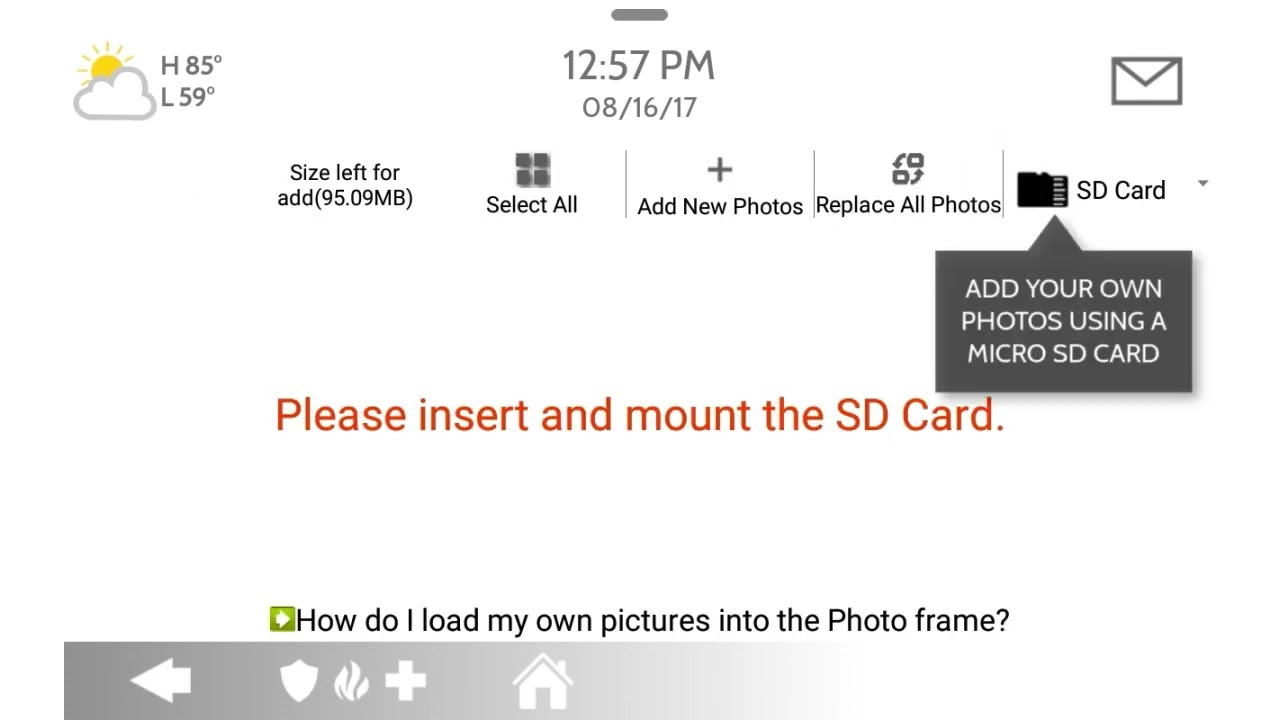
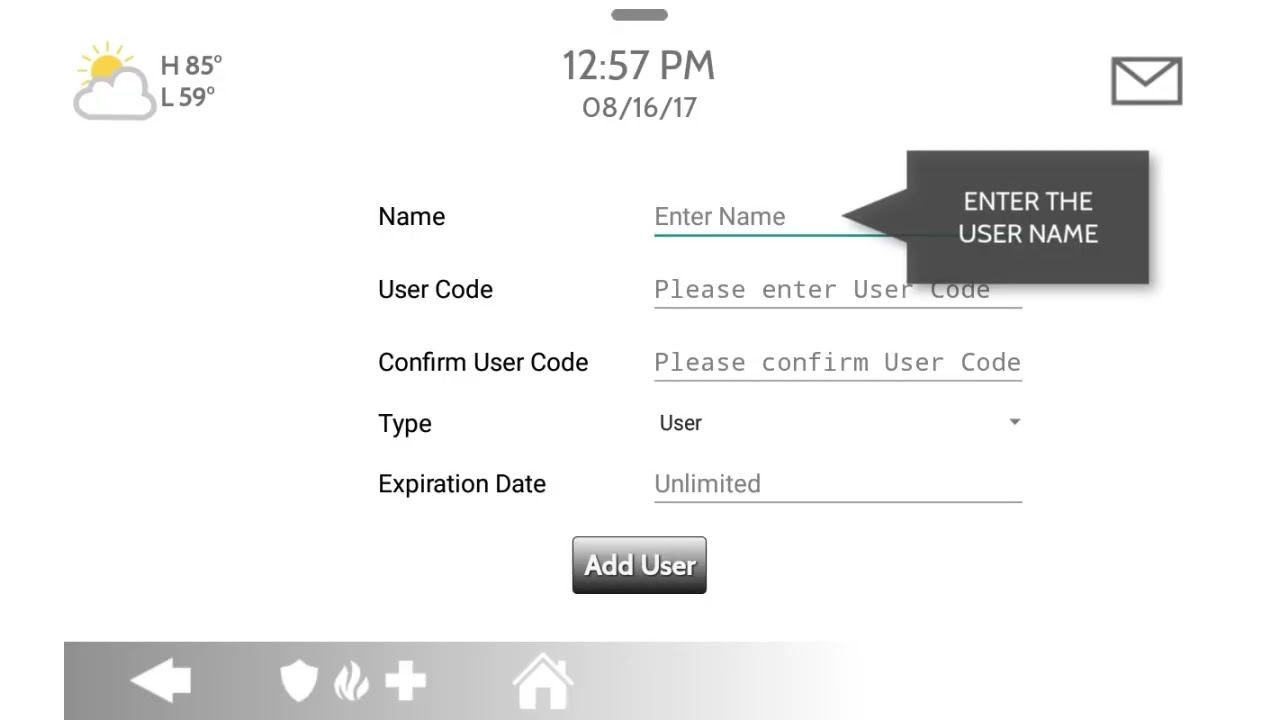
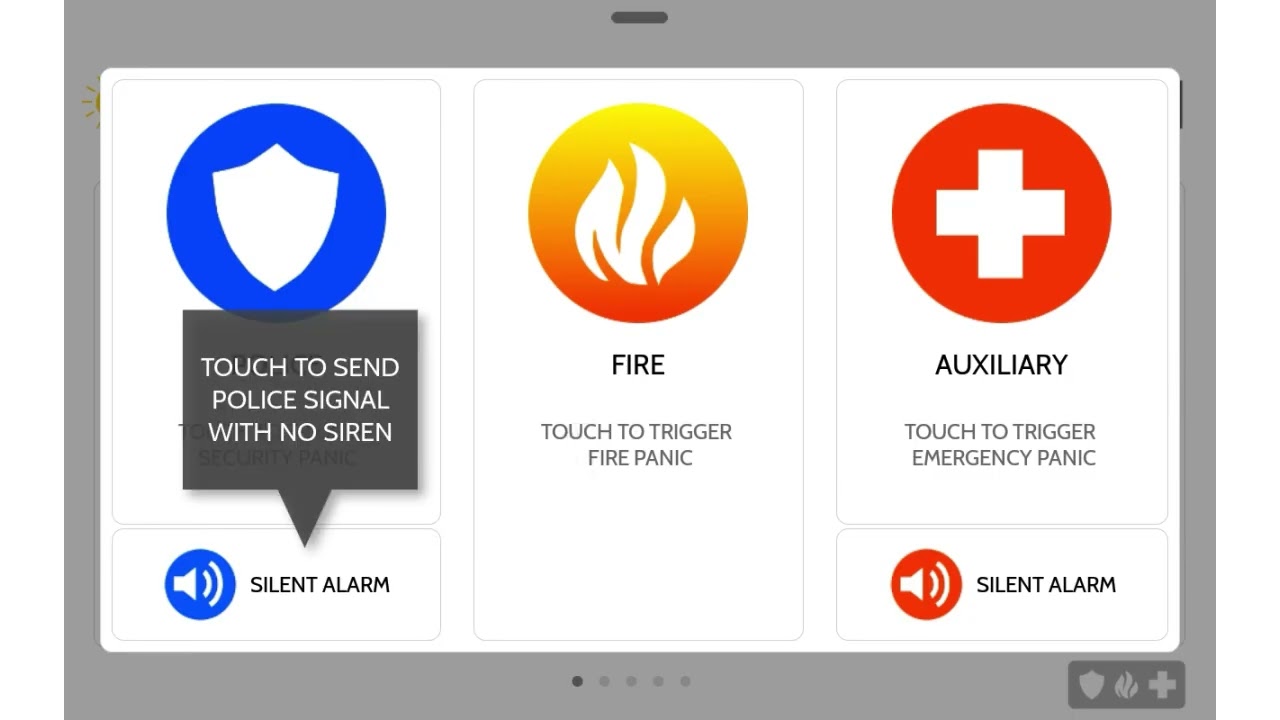
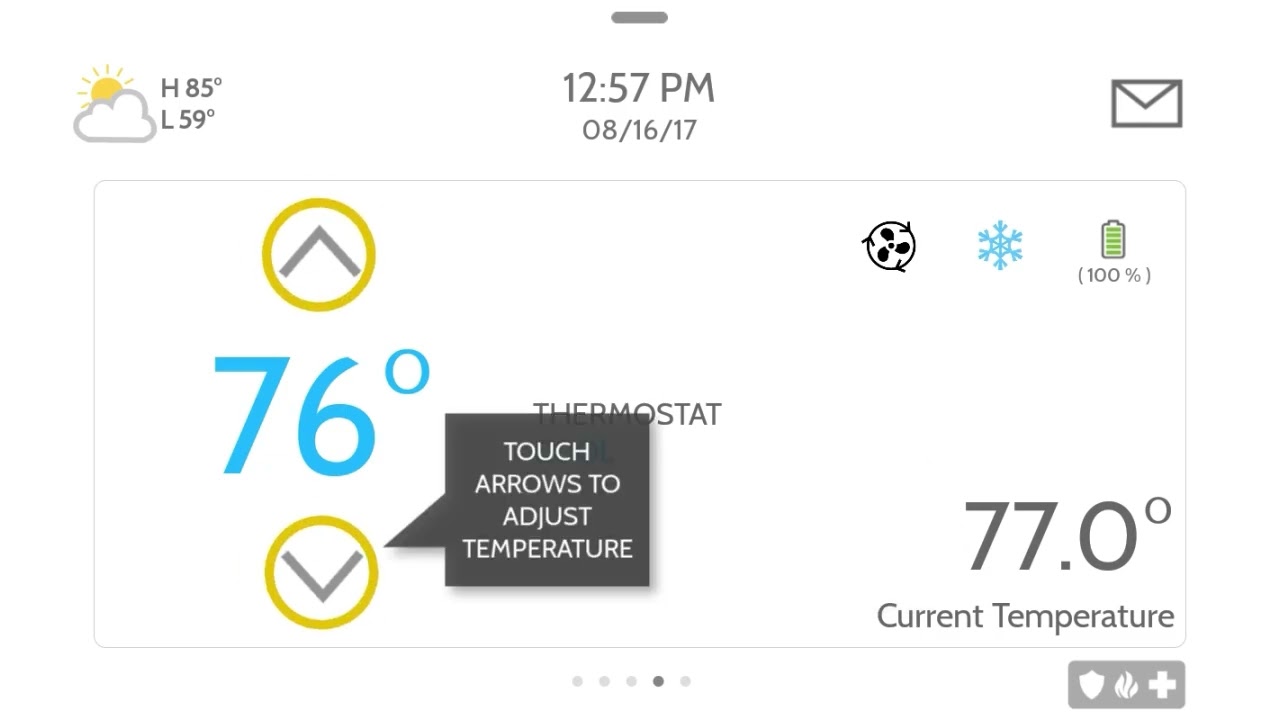
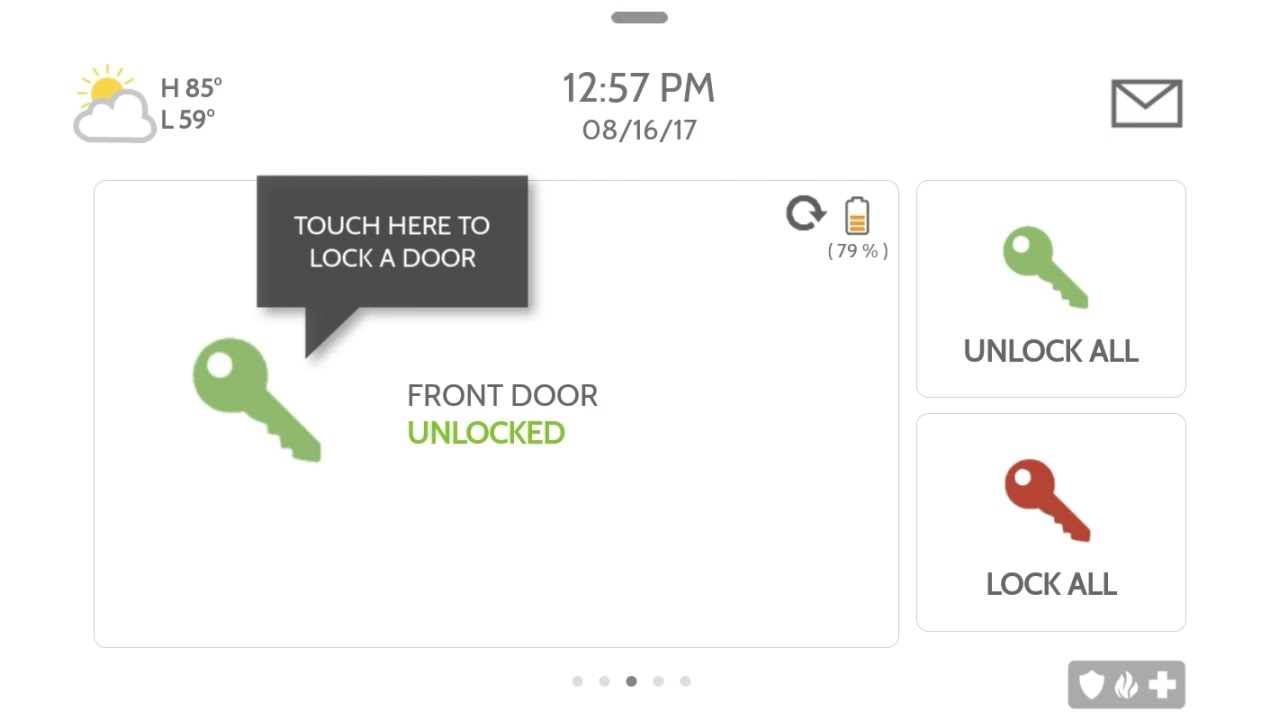
Got questions about your Eastern Security system? You’re in the right place. We are actively building out this security system FAQ page to cover everything from panel tutorials to basic troubleshooting. Because this is a work in progress, we’ll be adding new questions and answers regularly. If you can’t find what you need today, check back soon or reach out to our team directly for immediate help.
Common culprits for alarm keypads beeping include low batteries, failed communication paths, zone troubles, or a recent alarm event that needs to be acknowledged or reset. Check your keypad display to see if any issues are displayed, and call your security or fire alarm provider for further support.
Sometimes an open door or window can prevent an alarm system from arming. Some systems give you the option to bypass an open zone, but this should not be used as a regular or long-term solution. If you've checked your doors/windows and your system still won't arm, call your security provider for further support— as the issue may be a faulty sensor.
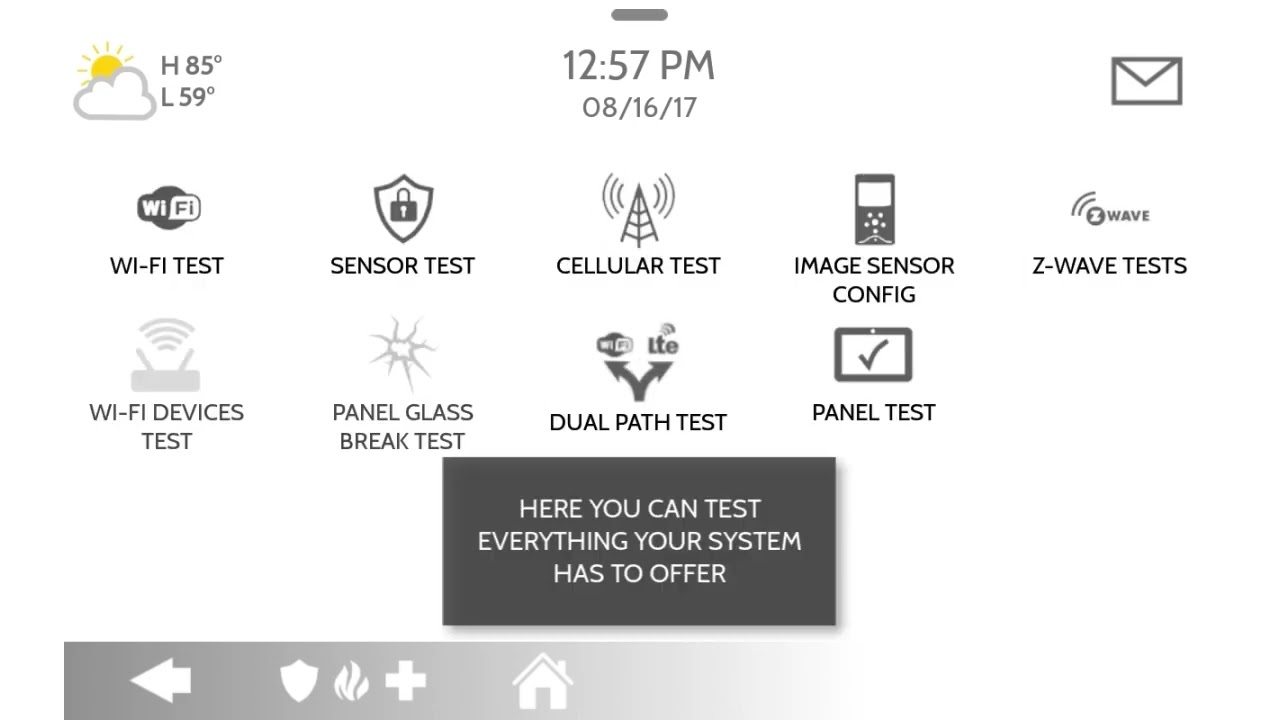
The first thing you should do is put your alarm system on test to prevent an accidental dispatch or false alarm! Call your security provider or central station directly to let them know you will be testing your system. Be sure to have your account number and verbal passcode ready. Your name will also have to be listed on the account. Once your account is on test, you can arm your system, and begin tripping the zones you would like to test such as doors, windows, motion detectors, or pull stations. Check for not only keypad and mobile app notifications, but also siren and strobe functionality. Once you have tested everything, go ahead and disarm or acknowledge/reset the system. Then, call your security provider back to verify that the correct signals were all transmitted. You can then have them take your account out of test. Please note, many security providers offer annual testing or routine and preventative maintenance plans, and will likely do this for you. Ask your provider to learn more!
Most video doorbells rely on a strong WiFi signal to operate. Factors that can weaken the WiFi signal include range, interference (i.e. walls, objects), and network traffic. We strongly recommend hardwired PoE (power over ethernet) models for this reason. At the very least, be sure you are using a video doorbell that operates on both 5GHz and 2.4GHz, and utilize the former for a stronger connection. Ideally, you should also have an upload speed of at least 10 Mbps from your internet service provider.
Before doing anything, check your alarm keypad or mobile app to see if the system is reporting a trouble condition. If it is, your security provider can confirm the exact cause, tell you which detector is affected, advise on the correct battery type, or schedule a service appointment if the device needs replacement or cleaning. If no trouble or message is shown, it is likely that these smoke detectors are not part of your monitored system. For "local" smoke detectors, chirping is often due to low battery, expiration, or a dirty sensor. You can typically find the part number on the smoke detector itself, with many of the product manuals being available online. If you aren't sure, you should always call your security provider for further assistance.
Nearly every new home is built with smoke detectors, but these units are typically installed by electricians and are not monitored. They meet code requirements, but they only sound a local alarm— no one is notified if you’re asleep, away, or unable to respond. Many homeowners and landlords also buy basic wireless smoke detectors from big-box stores to stay compliant. These work in the same way: local-only alerts with no connection to a monitoring center, and no automatic dispatch if there’s an emergency. For true life-safety protection, monitored smoke detectors are the upgrade. They alert the central station immediately, trigger fire department response, and provide coverage even when the property is vacant. If you already have an alarm system, your security provider may be able to integrate monitored smoke detectors into your existing setup. In most cases, the panel can support additional life-safety devices with minimal wiring or by using wireless sensors. Your provider can confirm compatibility, recommend the right detector type, and program it so alarms automatically notify the monitoring center and dispatch the fire department.

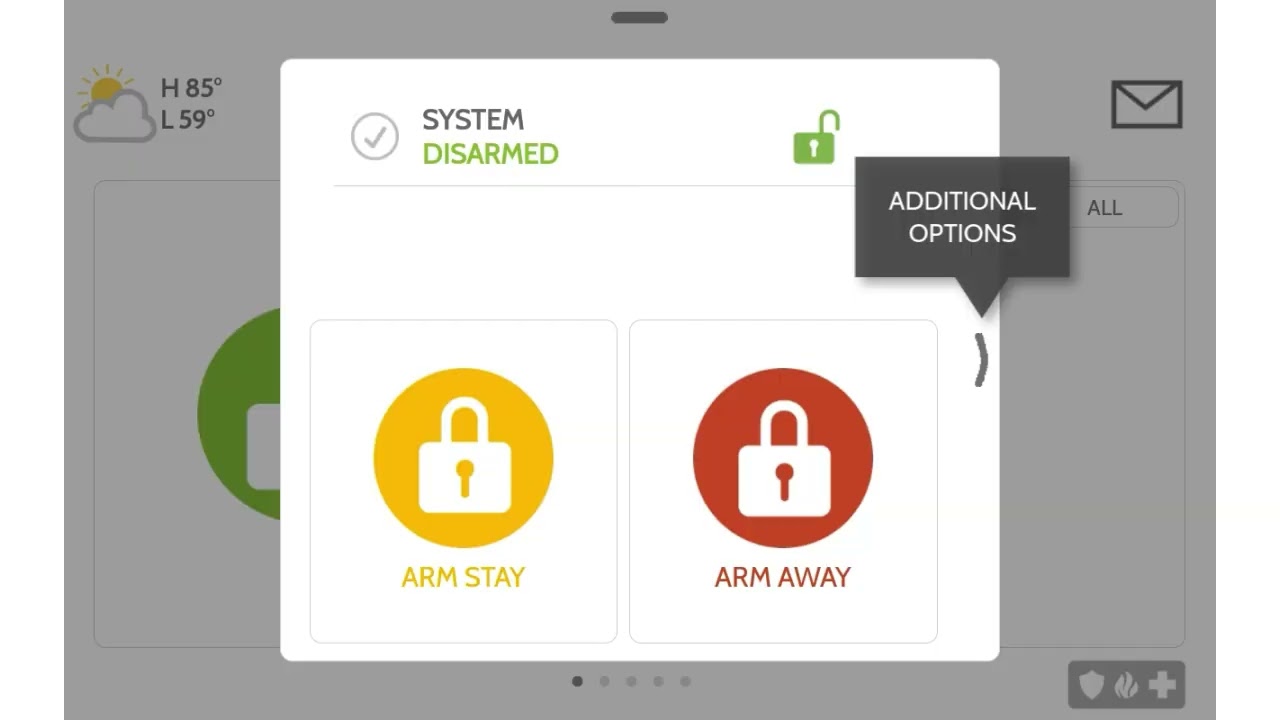
Arm stay when you're home but want your perimeter zones monitored, arm away when you want the interior zones monitored as well. Depending on your system and how it is programmed, certain sensor types will behave different depending how the system is armed. For example, motion detectors typically do not arm when a system is armed stay. For some people, this might not be ideal. Consult with your security provider to ensure the system and its sensors will behave how you need them to in various arming scenarios.
Nighttime visibility issues usually come from IR reflection, poor lighting, dirty dome covers, bad angles, or low-quality sensors. There might also be water inside of the dome. If possible, physically inspect the camera to see if there are any visible causes.
IR reflection or bounce is caused by the infrared light being reflected back into the camera— often from walls, soffit, gutters, dust, or even bugs. Physically inspect your camera if possible. If you aren't able to identify an obvious cause, give your security provider a call. It's possible that your camera might also be due for an upgrade, and there are a number of camera options today offering advanced IR technology, "color at night" technology, or integrated floodlights.
Digital zoom doesn’t add detail. If you need clearer identification, you need a higher-resolution camera, a better lens, or a closer placement. For advanced zoom capabilities, ask your security provider about cameras that feature optical zoom capabilities, in which the lens physically adjusts to change focal length.
A VESDA (Very Early Smoke Detection Apparatus) system continuously draws air through a network of pipes to detect smoke at a very early stage, providing much faster warning than traditional detectors. This technology is often used in mission-critical, high-risk, or high value environments such as data centers, historical buildings, or luxury homes. The system uses a laser-based detection chamber to analyze the air, and it can be configured for multiple alarm levels and connected to fire alarm control panels and building management systems.
Wired systems almost always offer better reliability and longevity. Wireless sytems are easier to install and expand. Most modern security systems use a hybrid of both. That being said, if it CAN be wired, it should be wired.
Most insurance providers offer a premium discount for homes equipped with a monitored security or fire alarm system. We automatically provide the required alarm certificate when we onboard new clients.
If you need us to resend your certificate, please email our support team at:
support@easternsecurity.net
Complete the form below to schedule your FREE, no-obligation home or business security consultation.
Adding {{itemName}} to cart
Added {{itemName}} to cart